
AI-POWERED STORIES FOR FAMILIES
Turn big feelings into bonding

When you don't know what to say, Mishami creates a personalized story to find the right words. A 7-minute ritual to calm the storm and connect. Designed with child psychologists.
THE CHALLENGES
When Feelings Get Too Big for Words
Mishami is your pocket co-pilot giving you the right words and stories instantly.

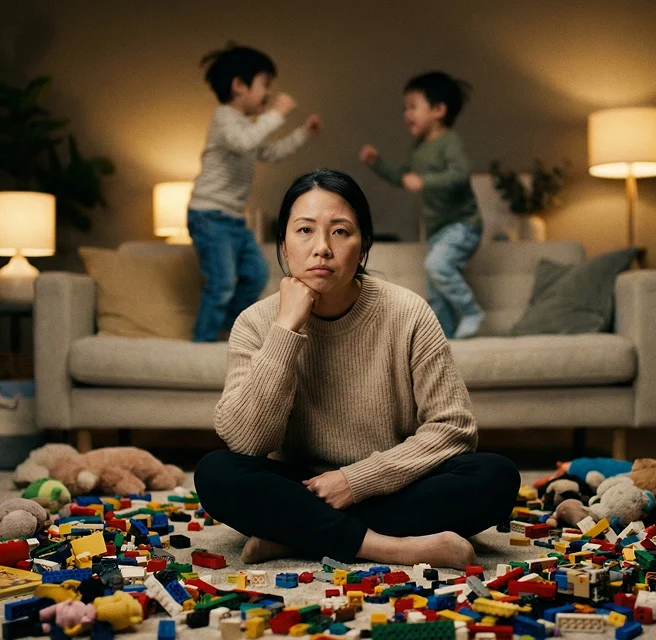
The Bedtime Battle
"5 more minutes" turns into an hour of struggle and tears.

The Meltdown
Sudden screaming over a broken cookie or a wrong spoon.

The Screen Guilt
Giving a tablet just to get quiet time, then feeling bad about it.

The "Missing Words"
Wanting to comfort them, but not knowing exactly what to say.
HOW IT WORKS
Calm in 3 Simple Steps
In just a few minutes, you've turned a meltdown into a moment of growth and affection.
STEP 01
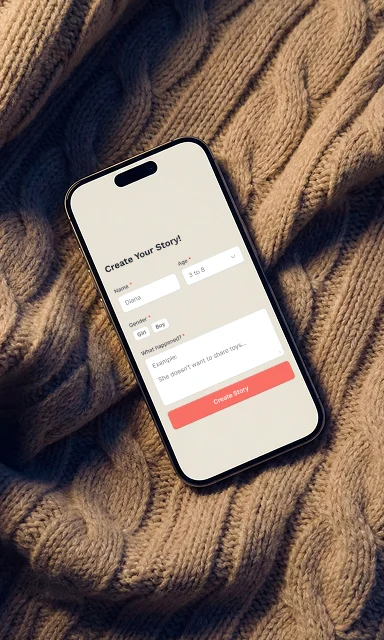
Describe the Moment
Simply tell Mishami: "Sam is scared of the dark" or "Maya is jealous of the baby." No need to be a writer.
STEP 02
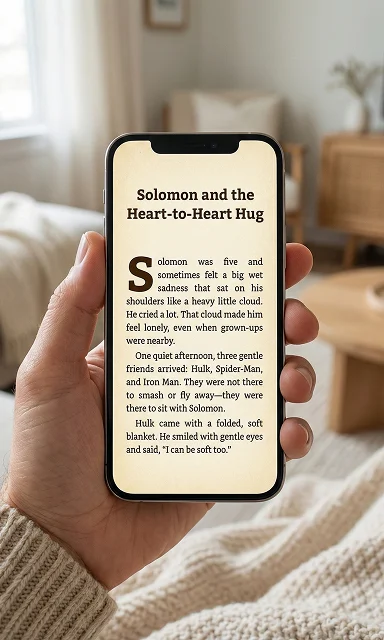
Get Your Magic Story
Instantly receive a therapeutic tale starring your child, where they face that exact feeling and find a way through.
STEP 03
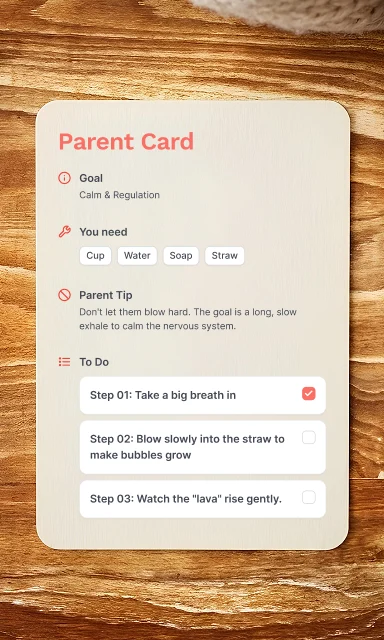
Unlock the ParentCard
Get a simple pocket guide on exactly what to say and do to bond after the story.
SAFETY
Trust & Safety

100% Kid-Safe
& Ad-Free

Screen-Free
Ritual

Psychologist
Approved

Private &
Secure AI
FOUNDER
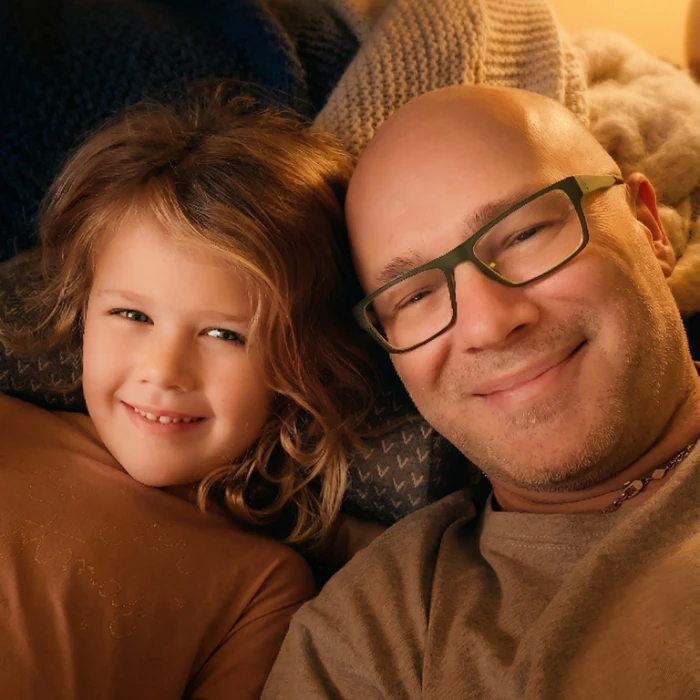
I promised to find a gentler way
"Like many parents, I've walked through divorce and nights filled with tears I didn't know how to fix. I wanted to say 'I am here', but the right words were hard to find.
That night, I promised to create a tool that helps parents and children meet in the middle of big emotions. Not with lectures, but with stories.
I built Mishami because I needed it. To help my children feel understood, and to help myself feel capable when feelings are loudest."

Safe, Private and Kid-Friendly
Parents are transforming tough moments with Mishami
Subheadline
We've been testing Mishami for just over a month, and honestly, bedtime has transformed. It used to be a total battleground. Now, the personalized stories make her feel so safe and seen. She actually falls asleep with a smile, not tears.

Sarah, Portland, OR (USA)
Mom of a 4-year-old daughter
My son struggles with big anger. We've only been using the app for six weeks, but it gave him tools I couldn't explain myself. Yesterday, he did the 'dragon breathing' on his own to calm down. He is finally learning to manage his own feelings.

David, Austin, TX (USA)
Dad of a 6-year-old son
Sibling jealousy was driving us crazy. Being early users of Mishami changed the dynamic completely. The stories helped them realize they are on the same team. For the first time in ages, I watched them play together without a single fight.

Emma, Manchester, UK
Mom of 5 & 7-year-olds
I often felt helpless when she cried—I just froze. The ParentCards gave me a script and real confidence during our beta trial. It's not just a story app. I finally feel like I know exactly the right words to say.

Mark, Amsterdam, NL
Dad of a 5-year-old daughter
PSYCHOLOGIST APPROVED
The Biological Gap: Why Logic Fails & Stories Heal
"It's not stubbornness; it's biology. Between ages 3 and 8, a child lives in a 'biological gap.' Their emotional brain feels fear at 100% intensity, but their logical brain is simply not built yet. Asking them to 'calm down' is like asking someone to stop drowning.
Mishami acts as a safe translator. We don't just stop the tears; we build the neural pathways for resilience."
— Elina Antonova
MD (Clinical Psychologist & Trauma Expert)

PRICING
Simple pricing. Big impact.
Launch special: Lock in these prices forever when you join today.
*Prices in USD. VAT may apply. Cancel anytime.
*Not ready to buy? [Try 3 stories for free] — no credit card required.
FAQ
Answers to Common Parenting Questions
How can I help my child during a tantrum without shouting or punishing?
When a child has a tantrum, their nervous system is overloaded. The first step is not to fix the behavior, but to help their body feel safe again.
- Calm the body: Take a slow breath, keep your voice low, and make sure your child and the space around them are safe.
- Name the feeling: "Your body is so tight. You're really angry right now." Naming what you see lowers shame.
How Mishami helps:
When the storm has passed, Mishami creates a personalized story about a character with the same big feelings. Reading it together helps your child understand what happened, and the Parent Card gives you simple tips to cope next time.
What should I say when my child feels very anxious or scared?
Anxiety often shows up as tears, clinginess, or "what if…?" questions. Instead of saying "Don't worry," try to validate the feeling first.
- Validate: "You feel really nervous about this. It makes sense that you're scared."
- Support: "I'm with you. Let's see what might help."
How Mishami helps:
You describe the specific worry (e.g., "afraid of a new class"), and Mishami generates a gentle story. The story gives your child safe language for their fear, while you get a clear script and small steps to support them.
How can I help my child who is afraid to sleep alone or wakes from bad dreams?
Fear of the dark or sleeping alone is very common between 3 and 8 years old. Instead of pushing your child to "be brave," focus on building safety.
- Create a ritual: Keep lights low and follow the same steps every night (bath, story, bed). Predictability calms the body.
- Make a plan: "Night-time feels scary for you. Let's make a plan together."
How Mishami helps:
Use Mishami as part of your bedtime ritual. A story about a hero who finds comfort in the dark helps your child feel seen, and the Parent Card offers soothing practices (like a simple breathing game) to reduce tension before sleep.
Why does my child often say "my tummy hurts" before school?
If a doctor rules out medical issues, repeated stomach aches are often a biological reaction to stress or anxiety. The pain is real, but the cause is emotional.
- Listen gently: Ask, "If your tummy could talk, what would it say?" and give time for an answer.
- Don't rush to fix: Just being heard can reduce the tension in their body.
How Mishami helps:
Mishami creates a story where a hero feels that same "tummy butterfly." This helps your child notice the link between feelings and their body, so the pain becomes less frightening and easier to talk about.
How do I support my child who is jealous of a new baby?
Jealousy is normal, even if it's hard to watch. It often comes from a fear of losing connection with you.
- Validate, don't shame: Instead of "You must love your brother," try: "It's tough when the baby gets so much attention. Part of you is angry."
- Reconnect: Even 10 minutes of one-on-one time can rebuild security.
How Mishami helps:
A story about a character who feels pushed aside lets your child think, "I'm allowed to feel this." The Parent Card suggests tiny rituals (like "our 10-minute only-us time") that rebuild your bond without guilt.
What if my child starts acting "younger" (regression) after stress?
After a move, separation, illness, or other stress, regression is a way for the nervous system to seek safety. It is not a step backward; it is a request for care.
- Accept the need: "Some parts of you feel little again. That's okay. I'm here."
- Offer warmth: Keep routines, add extra hugs, and reduce demands for a while.
How Mishami helps:
Stories can gently reflect what happened, showing characters who are cared for after something scary. This normalizes the regression and gives you language for it.
Note: If regression is very strong or linked to trauma, please consult a professional. Mishami supports everyday emotional conversations, but does not replace therapy.
What is Mishami, and how does it help my child?
Mishami is a web app that creates short, personalized emotion-focused stories based on your child's real life.
- How it works: You describe the situation (e.g., "Noah hits when he's frustrated"), and Mishami generates a gentle story with a similar hero.
- The benefit: Your child sees their feelings from a safe distance, and you receive a Parent Card with specific phrases and actions to handle similar moments with confidence.
What ages is Mishami designed for?
Mishami is designed for children aged 3 to 8.
- Ages 3–4: Stories are shorter and focus on basic emotions (sad, mad, scared) and body feelings.
- Ages 5–8: Stories can tackle school, friendships, self-esteem, and more complex situations.
At any age, you (the parent) reading aloud are the emotional anchor, while Mishami provides the language.
How much does Mishami cost, and can I try it for free?
Yes, you can start for free.
- Free trial: Every new family gets 3 personalized stories to try immediately — no credit card required.
- Pricing: We offer story packs or a monthly subscription. During the launch phase, prices are reduced, and your rate stays locked in as long as your subscription is active.
Is Mishami safe for my child and my data?
Yes. Safety is a core part of Mishami.
- Content safety: No violence, bullying, sexual content, or ads. Stories are screened to be age-appropriate and supportive.
- Data privacy: We do not sell your data. We only ask for the minimum info needed to personalize stories (like name and age), and you can delete your history at any time.
Turn Tonight's Meltdown into a Memory
Your pocket emotional coach is ready.